A Family. A Farm. A Piece of Colorado History.
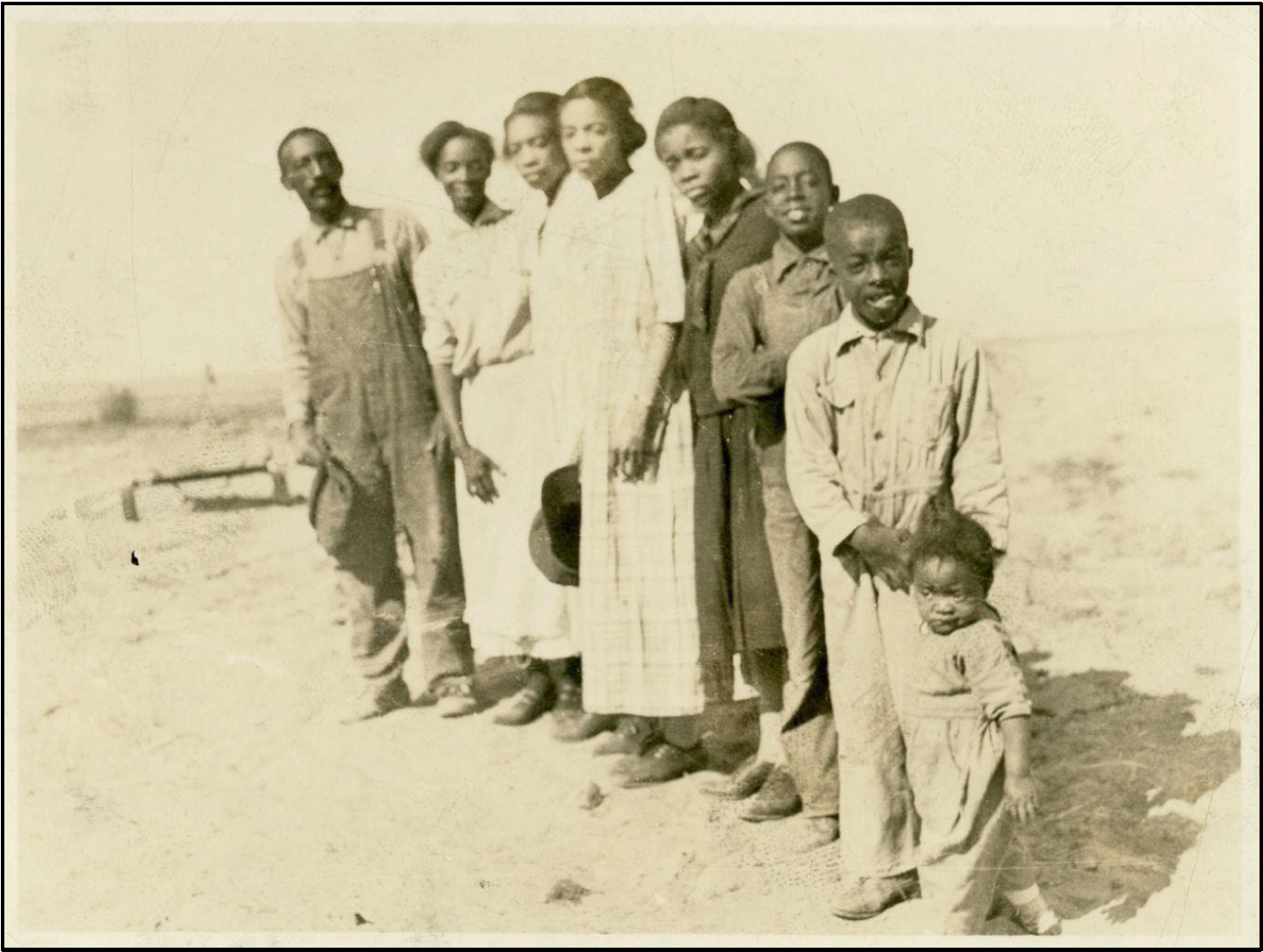
The Hicks Homestead is a 160-acre property in Weld County, Colorado, originally settled in 1910 by Crawford and Ethel Hicks — an African American couple who migrated west from Georgia with a vision of land ownership, self-sufficiency, and a better life for their family.
Their homestead was part of the Dearfield Colony, a pioneering African American agricultural settlement founded by O.T. Jackson on the ideals of Booker T. Washington. At its peak in 1917, Dearfield encompassed over 15,000 acres farmed by more than 60 Black families — a remarkable achievement in early 20th-century Colorado.
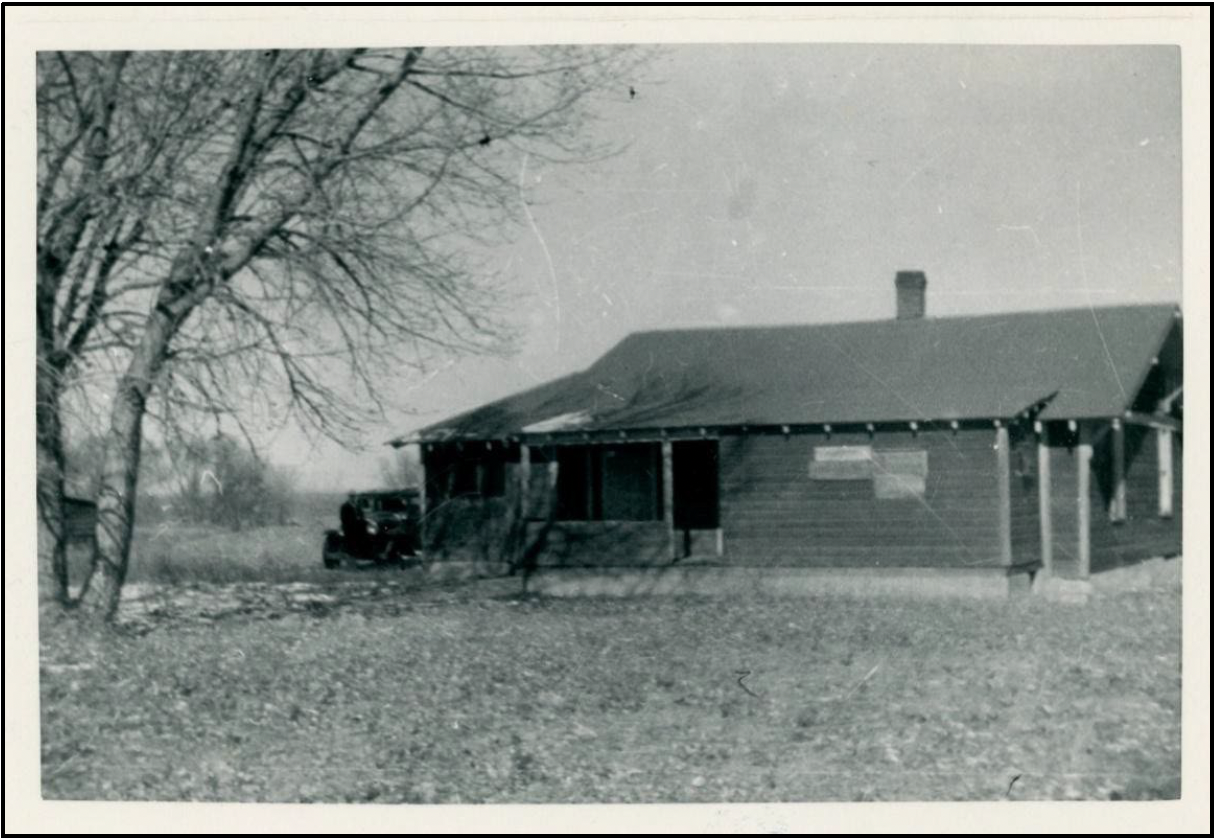
Today, the property and the house Crawford built with his own hands still stand — the only surviving homestead family home from the entire Dearfield Colony, now listed on the Colorado State Register of Historic Properties.
"There is a sense of pride and worth with this property, and it is amazing that we've been able to keep it in the family."
— Tony Potts, Hicks family descendant, 2024
The homestead retains remarkable integrity — of location, setting, feeling, design, and association — making it a rare and irreplaceable window into African American life on the Colorado frontier.
Understanding the Hicks Homestead
Explore the Full Story
The Hicks Family
From Crawford and Ethel's journey from Georgia to the fifth and sixth generations who carry the legacy today. Oral histories, photographs, and the story of an extraordinary African American family — including the full historical timeline.
Preservation
The Hicks Homestead is one of Colorado's most significant African American heritage sites. Learn about efforts to protect it — and how you can be part of the story.
I didn't know anything else, and as far as I was concerned, I was happy out there. I don't think any of us were unhappy.
— Carrie Lillian Hicks Wood, daughter of Crawford & Ethel Hicks, recalling life on the homestead (Interview, Denver, August 18, 1994)
Dearfield Colony
Colorado's Largest African American Agricultural Settlement, 1910–1930
A Bold Vision of Freedom and Self-Sufficiency
On May 5, 1910, the Denver Star reported that Oliver Toussaint "O.T." Jackson had staked a settlement on 20,000 acres of government land in Weld County, Colorado — a moment that would reshape the story of African American life in the American West. Jackson founded the colony on the ideals of Booker T. Washington, naming it Dearfield to evoke the "dear fields of opportunity" that awaited its settlers. Crawford Hicks was among the very first to respond, filing on 160 acres on September 3, 1910.
The early years brought unusually heavy rainfall and genuine prosperity. By 1917, more than 60 African American families had homesteaded over 15,000 acres — the Colony's high-water mark. The Hicks family stood at its center. With the largest home in the settlement, Crawford and Ethel hosted community gatherings, civic clubs, and notable guests. When Booker T. Washington Jr. toured Colorado, O.T. Jackson sent him to stay at the Crawford house.
"Anytime anybody came to town . . . we had a six-room house. That was the biggest house out there, and mama had nice things she brought from town. We were the only ones he figured could entertain anybody."
— Carrie Lillian Hicks Wood, Interview, Denver, August 18, 1994
Decline and the Hicks' Remarkable Survival
By the mid-1920s, a confluence of forces converged against Dearfield: drought returned, the post-World War I farm economy collapsed, and the Great Depression deepened. KKK activity in Colorado added a climate of racial hostility. By 1930, the colony had lost over 70% of its African American inhabitants — a virtual ghost town. The Hicks family was among the very few who did not abandon their land.
What set the Hicks apart was water. Their property featured two lakes and a reliable water source while neighboring farms withered.
"We stayed longer. We had a better setup than anybody because of the water."
— Carrie Lillian Hicks Wood
The Hicks Homestead remained in the family long after most Dearfield families had departed. The last full-time resident, Walter Wood, worked the property until his death in 1973 — 63 years after the family first settled the land. Today, the Hicks descendants are among the only remaining African American landowners in the area with direct ties to the Dearfield Colony.
Homestead Site
160 Acres · Weld County, Colorado · Settled 1910, Farmed until 1973
"The human value — not economic value — associated with land ownership is placed in the continued development of the land."
— Jeannie Potts Dixon, Hicks family descendant, 2024
Building a Farm from Scratch
Crawford Hicks filed on 160 acres of government land on September 3, 1910, and received full title on June 23, 1917 — seven years of building, farming, and proving the land. What began with a five-acre truck garden and one acre of corn grew steadily: by 1914, 30 acres were under cultivation, producing 25 bushels of corn per acre, 1,800 pounds of potatoes, two tons of hay, and 500 pounds of beans. By 1916, the farm included two horses, four cows, four hogs, 32 chickens, and three domesticated turkeys.
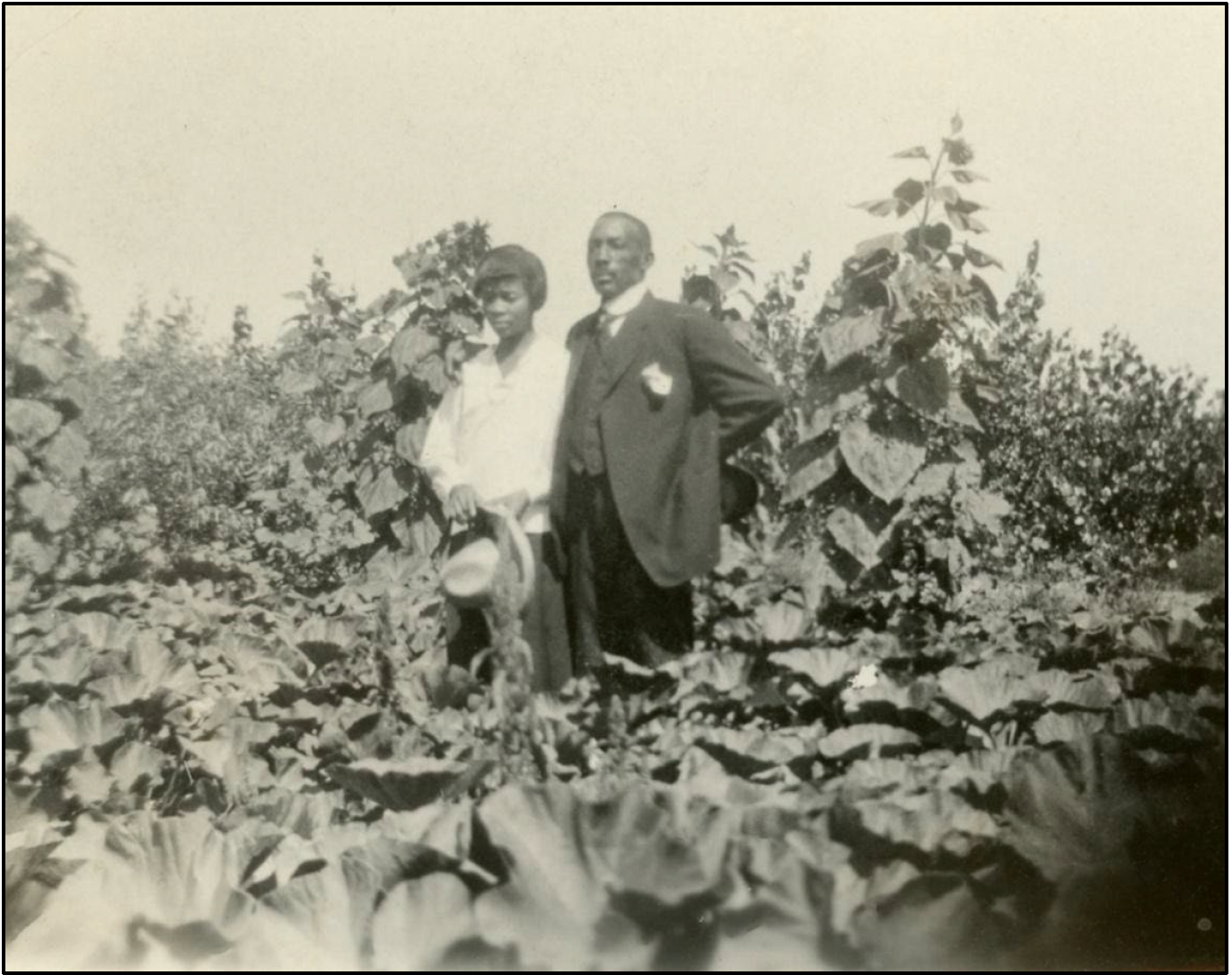
Ethel's home garden — which daughter Carrie called "the most beautiful garden in the world" — was the heart of the farm's produce. She supplied much of Weld County with Thanksgiving turkeys each year. Cream, eggs, turkeys, and vegetables were sold to John Thompson's Grocery Store in Denver, maintaining the economic lifeline between homestead and city. The women of the Hicks family are credited by descendants with the continuity and prosperity of the property through the present day.
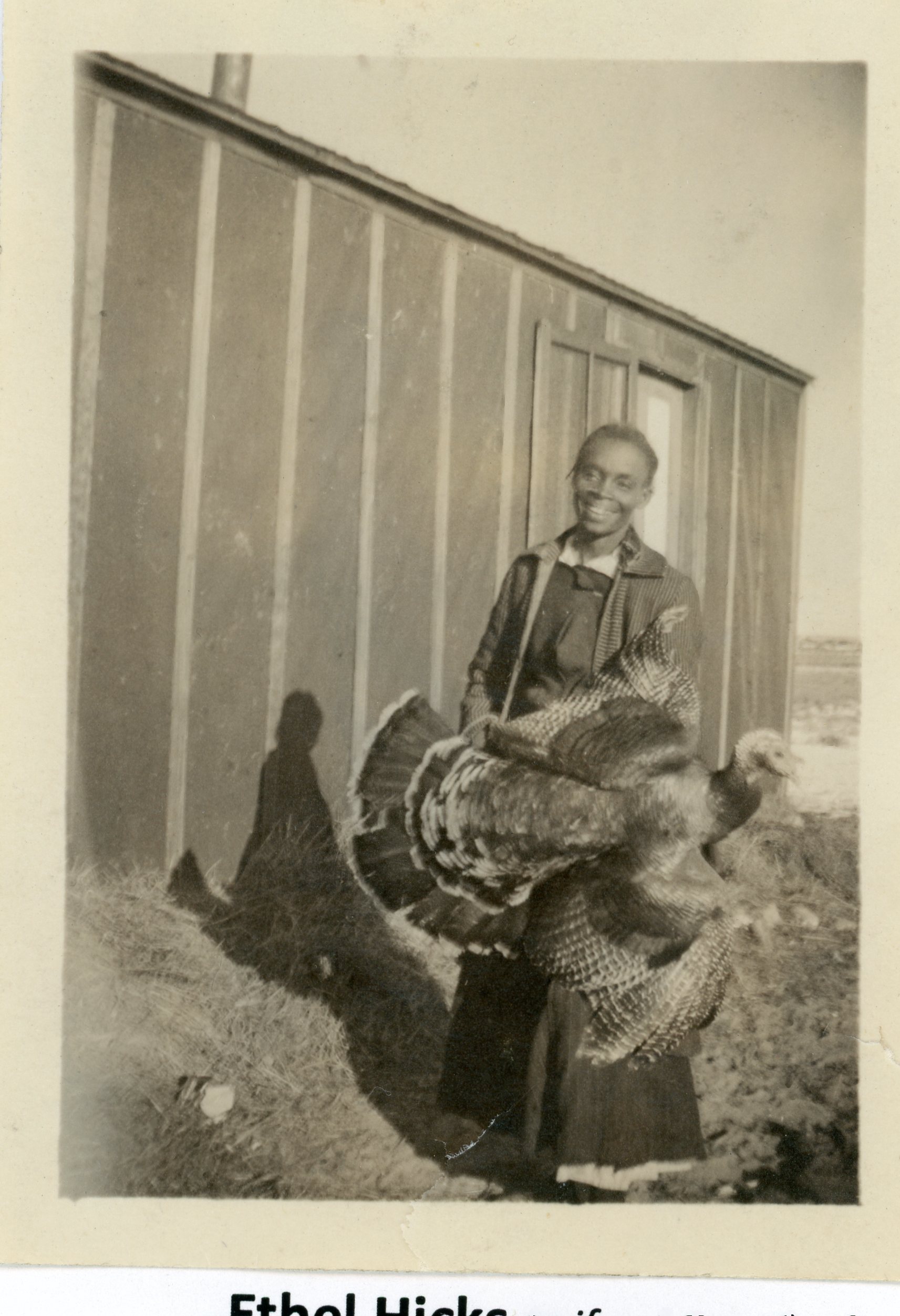
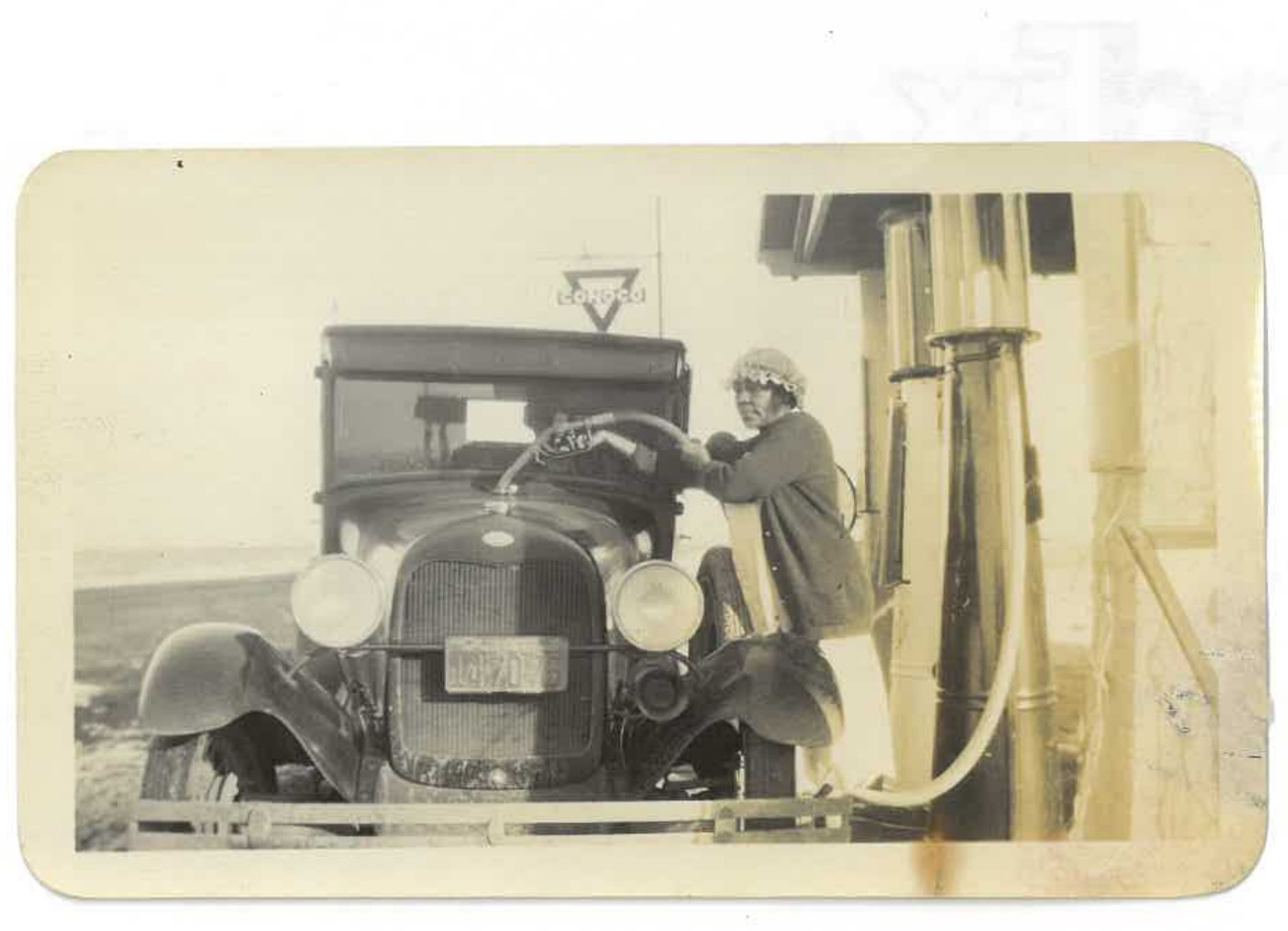
Ethel with turkey — she supplied Weld County each Thanksgiving
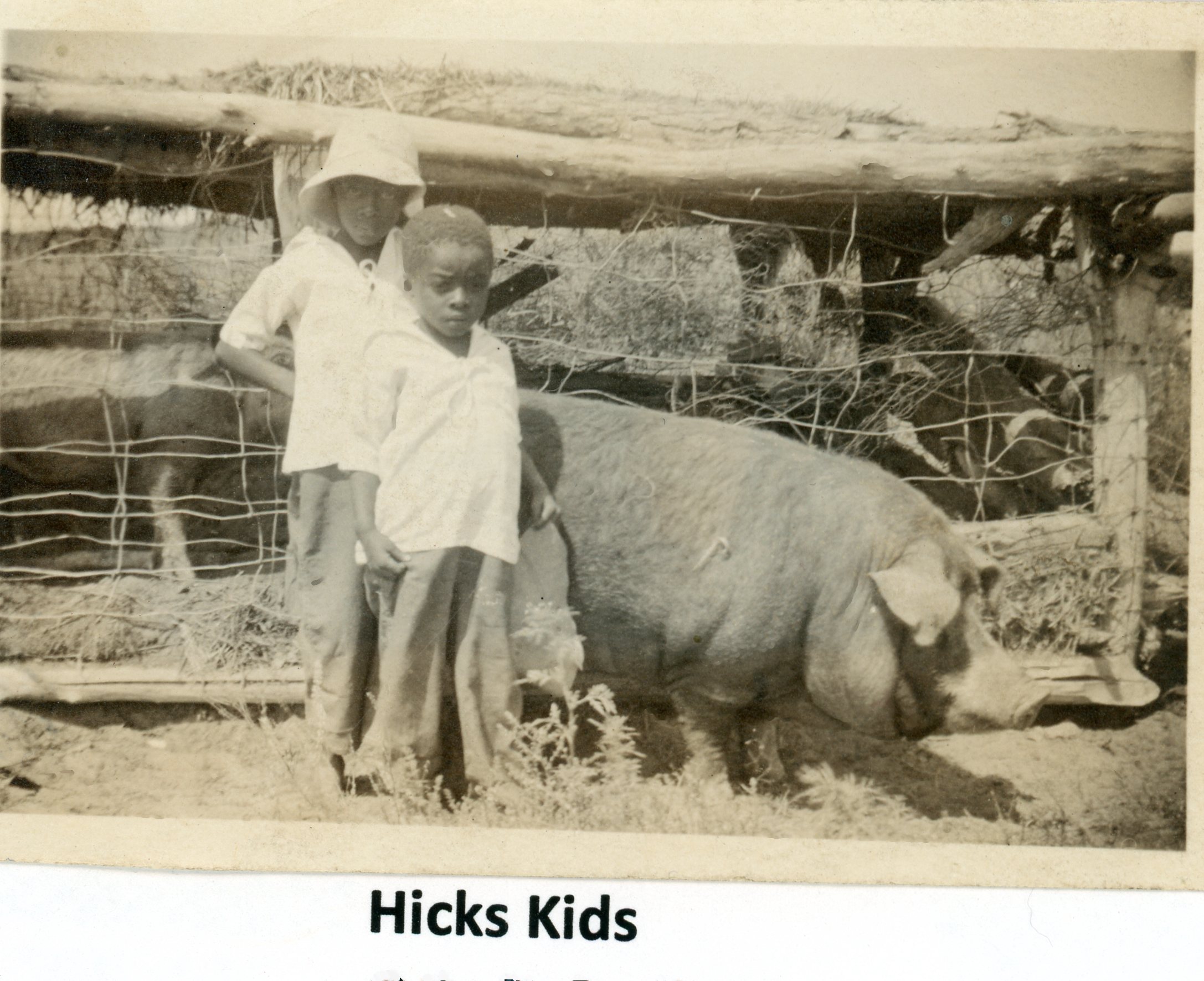
Hicks children at the farm
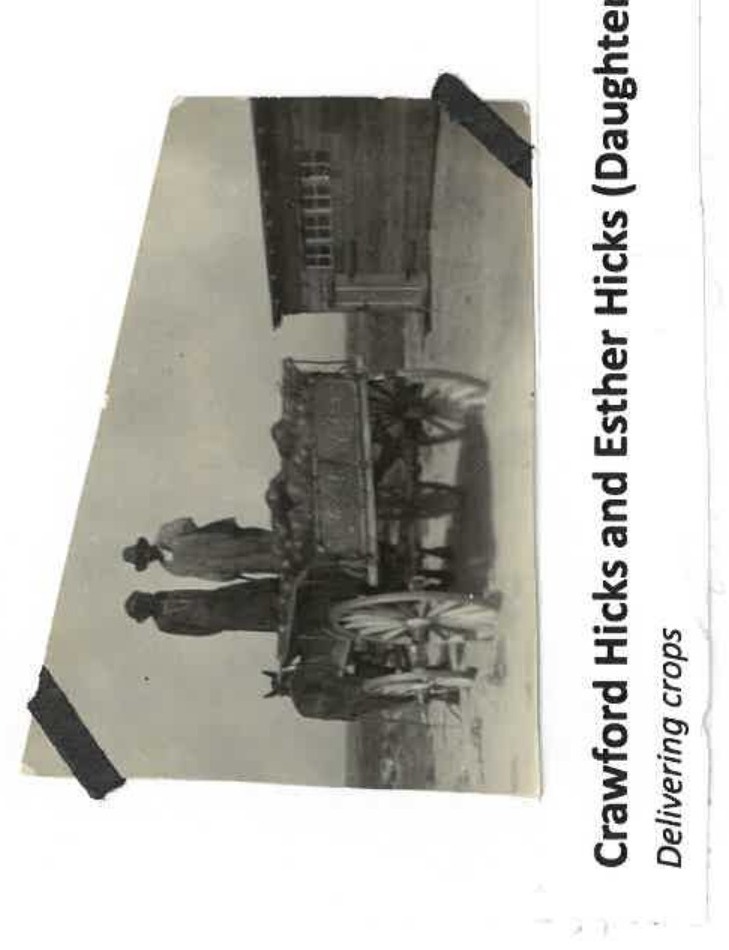
Crawford Hicks and Esther delivering crops
Archaeological Significance
A 2024 archaeological survey recorded 17 distinct historic features across the property, including the Hicks Reservoir (still extant), structural foundations, remnant fencing, and the original boulevard of trees. The site retains high integrity of location, setting, feeling, design, and association — a remarkable degree of continuity for a century-old farmstead. The archaeological assemblage offers irreplaceable information about the material culture of African Americans on the western frontier in the early 20th century.
Area of Significance: Ethnic Heritage: Black
Period of Significance: 1910–1973
Cultural Affiliation: African American
Builder: Crawford Hicks (with Ethel Hicks)
The Historic House
The Oldest and Only Surviving Homestead Family Home from the Dearfield Colony
Why This House Matters
Of the three recorded extant buildings from the entire African American settlement period at the Dearfield Colony, the Hicks Homestead House is the oldest and only one built as a family home. Colorado had two large-scale African American agricultural settlements — Dearfield and The Dry in Otero County. The Dry has no surviving structures from its settlement period. This makes the Hicks Homestead House the only known surviving example of an African American family home from either Colorado settlement — and likely from any comparable settlement in the entire region.
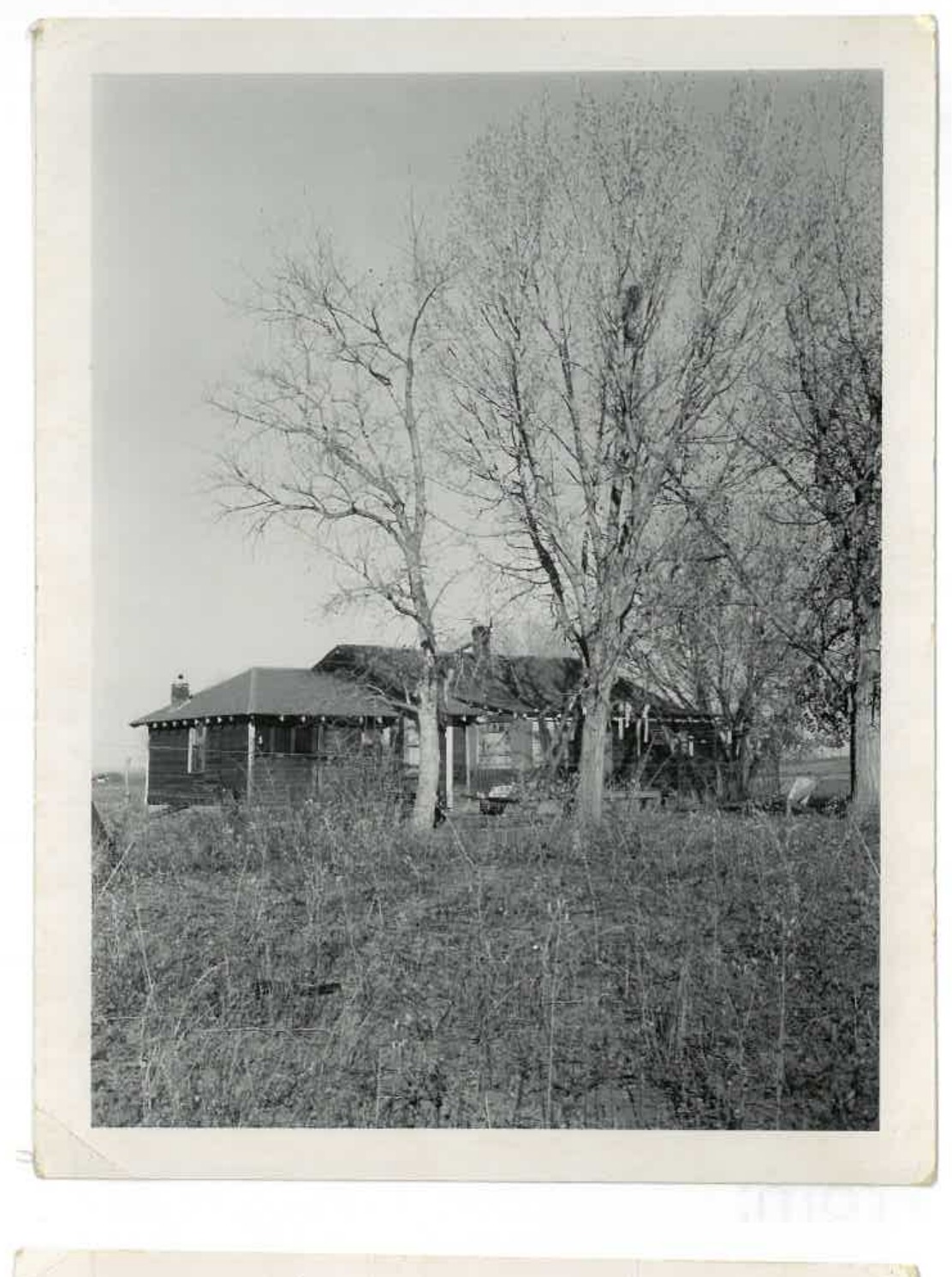
Construction, Design & Community Life
Crawford built the house himself from a mail-order kit, most likely from the Aladdin Company, delivered by rail to the Masters station two miles north of the property. He assembled it himself. The finished structure had six rooms and two porches, oriented south, with the front porch later enclosed by Crawford — a practical adaptation to the Colorado climate.
The house was the social heart of Dearfield. It hosted Christmas dinners reported in the Denver Star, meetings of the Taka Art and Literary Club, visits by Booker T. Washington Jr., and the fishing parties and farewell gatherings that connected the homestead to Denver's African American professional class. The family resided in the house for over 60 years, until Walter Wood — the last full-time resident — passed in 1973.
Colorado State Register of Historic Properties
The Hicks Homestead House is officially listed on the Colorado State Register of Historic Properties — recognizing its exceptional significance to African American history, Colorado history, and the national narrative of post-emancipation Black life in the American West. The period of significance is 1910–1995.