Crawford H. Hicks (1880–1926)
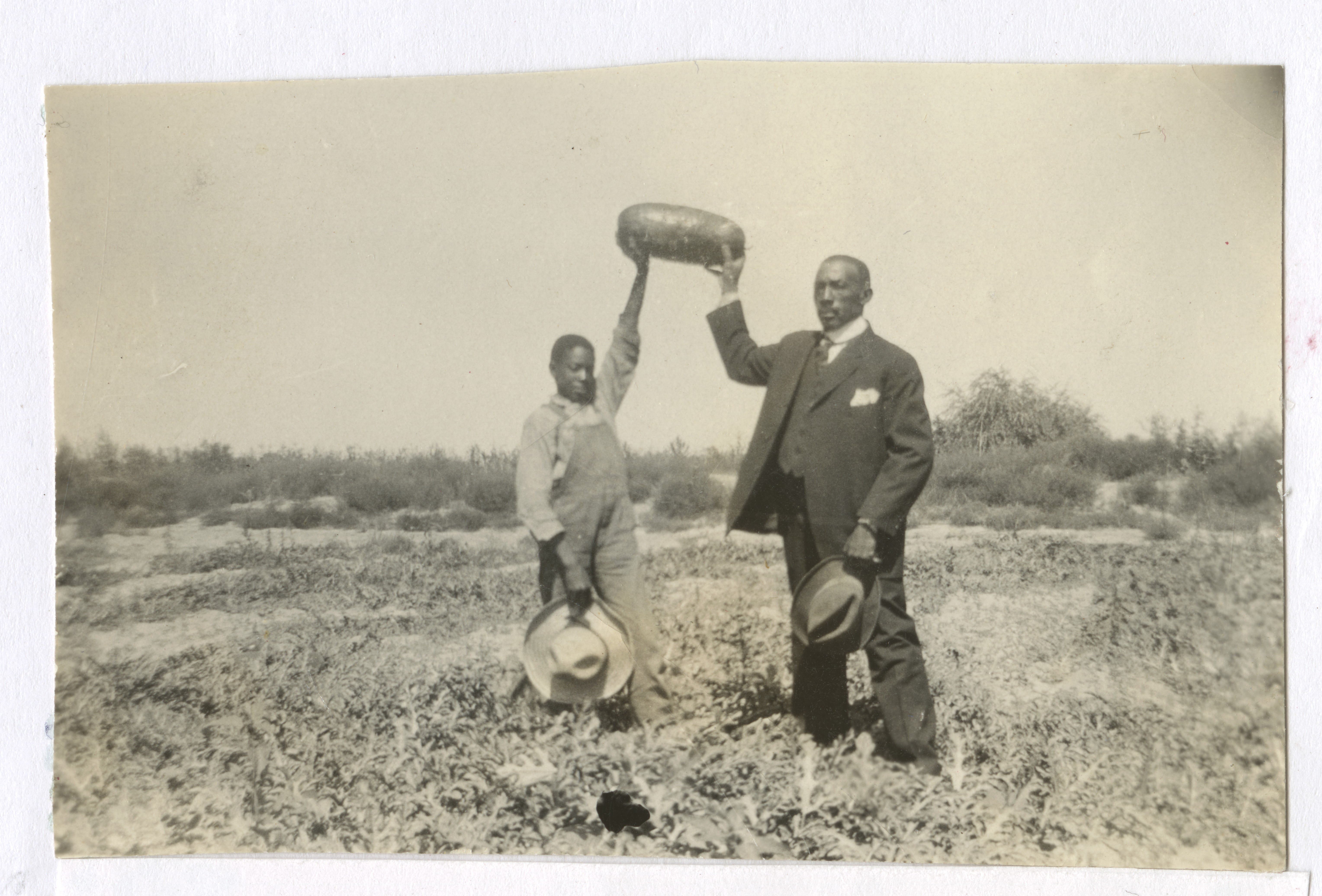
Ford and Crawford Hicks on the homestead
Crawford H. Hicks was born on March 15, 1880, in Wrightstown, Georgia — the youngest son of Cornelius and Mary Hicks. His father was a railroad worker, listed as a "crosstie getter" in the 1880 census, while his mother and older siblings worked as farm laborers. The family likely participated in sharecropping, a common form of employment for African Americans in rural Georgia in the 1880s.
By 1910, the Hicks family was living in Denver, where Crawford worked as a janitor and later as a porter at Fish & Company. When his friend O.T. Jackson began organizing the Dearfield Colony, Crawford was among the very first to act. On September 3, 1910, newspapers reported that Crawford Hicks had filed on 160 acres. He built the house himself from a mail-order kit and moved his family to the property.
Crawford received full title to the 160-acre property on June 23, 1917. He had a street named after him in the Dearfield townsite and was prominently featured in promotional materials for the settlement. Crawford Hicks died on February 19, 1926 — but the family's connection to the land he built endured for another century.
Ethel Mosley Hicks (1882–after 1943)
Ethel Mosley was born in 1882 in Early County, Georgia. She married Crawford around 1902 and together they migrated west — through Alabama, California, and finally to Colorado. Ethel was far more than a homesteader's wife. She was the driving force behind the homestead's productivity and social life.
Her garden — described by daughter Carrie as "the most beautiful garden in the world" — grew staples like squash, beans, and potatoes. She raised wild and domesticated turkeys, supplying much of Weld County with Thanksgiving birds each year.
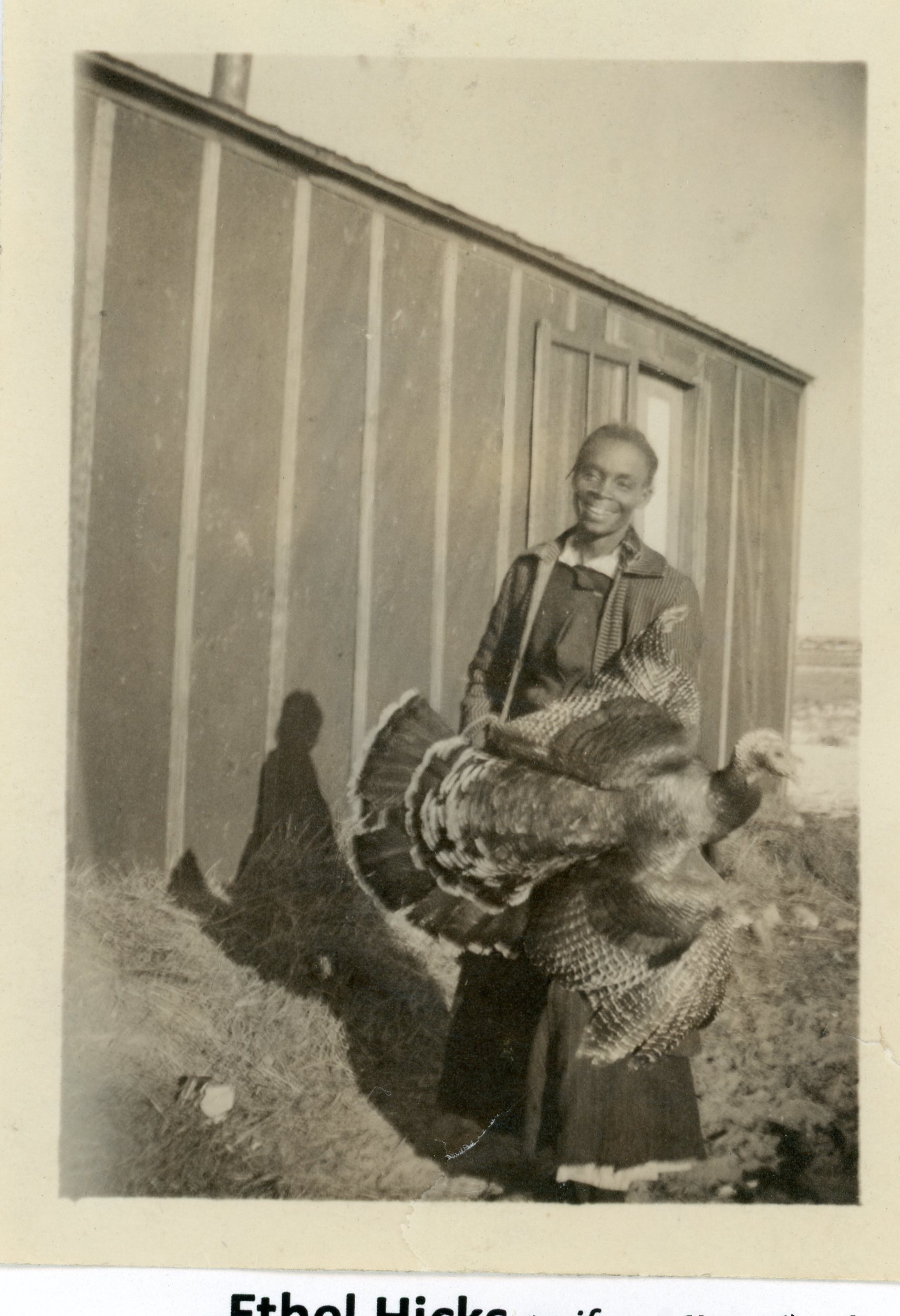
Ethel Hicks — who supplied much of Weld County with turkeys each Thanksgiving
Ethel was a central figure in the social networks linking Dearfield to Denver's African American community. She hosted the Taka Art and Literary Club at the homestead, was an early supporter of the NAACP, a leading member of Denver's Shorter AME Church, and active with the Alpha Kappa Alpha Sorority. The Hicks descendants credit her above all others with the continuity and preservation of the family's land legacy.
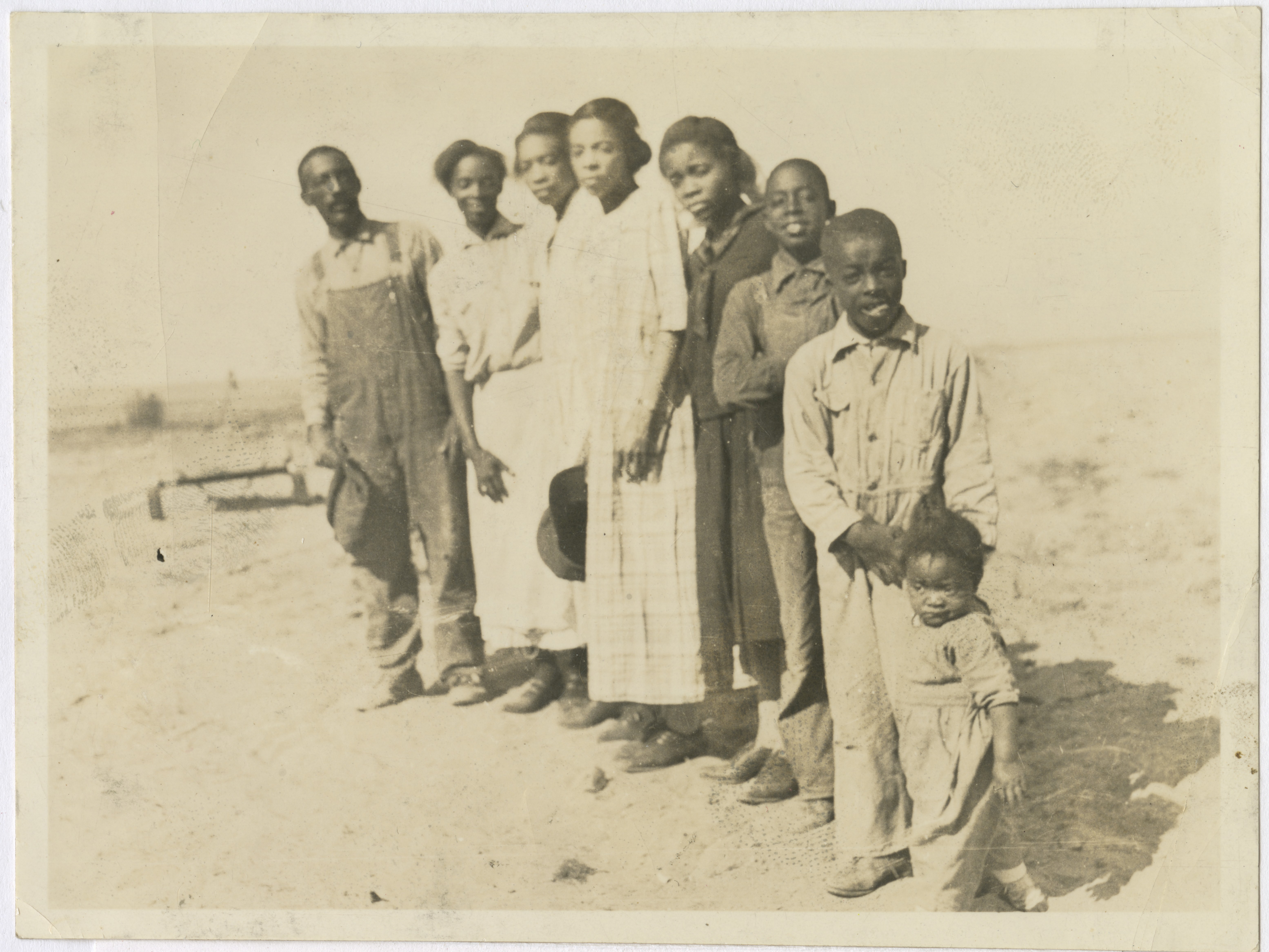
The Children: Second Generation
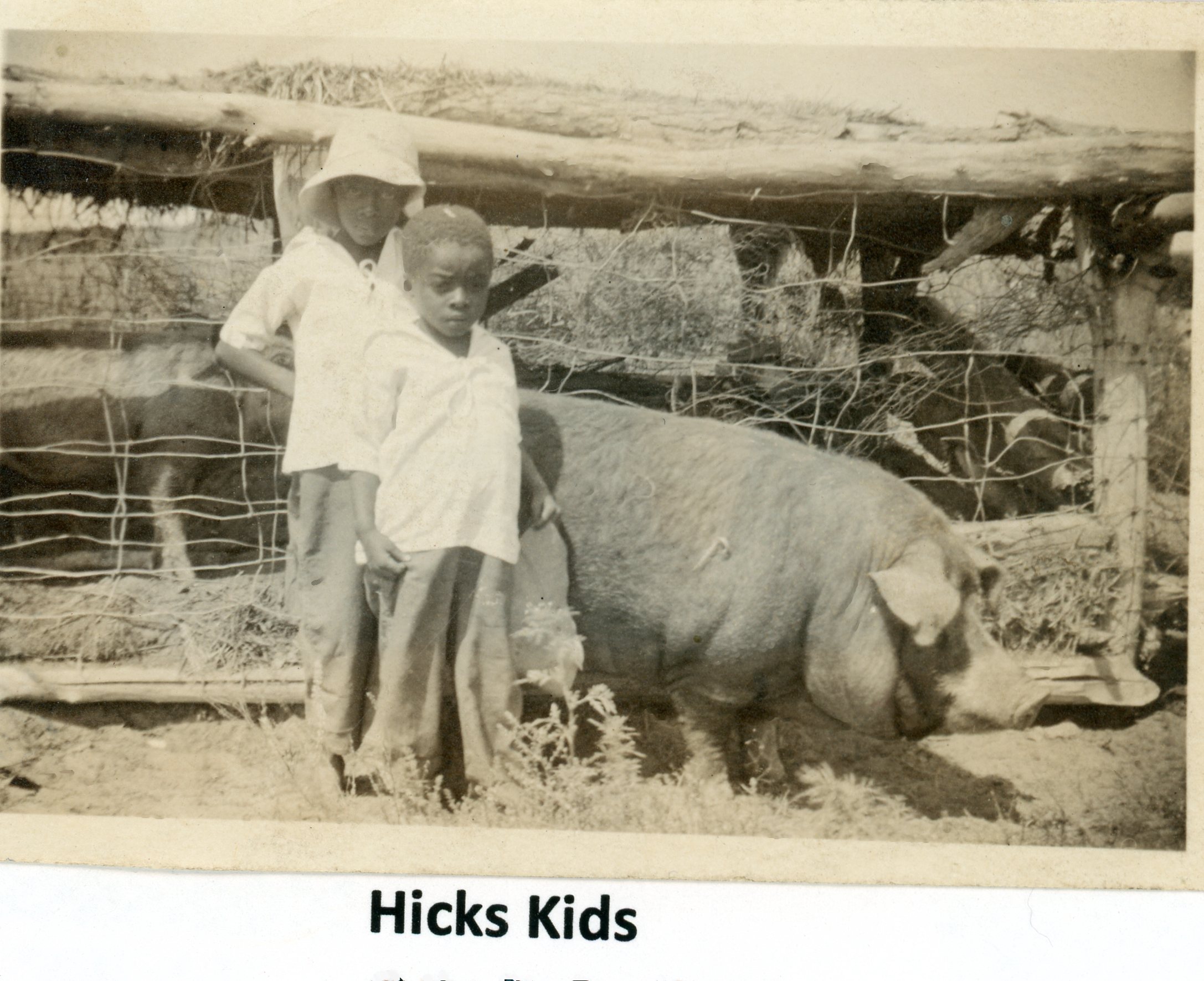
Hicks children at the farm — daily life included caring for hogs, chickens, and turkeys
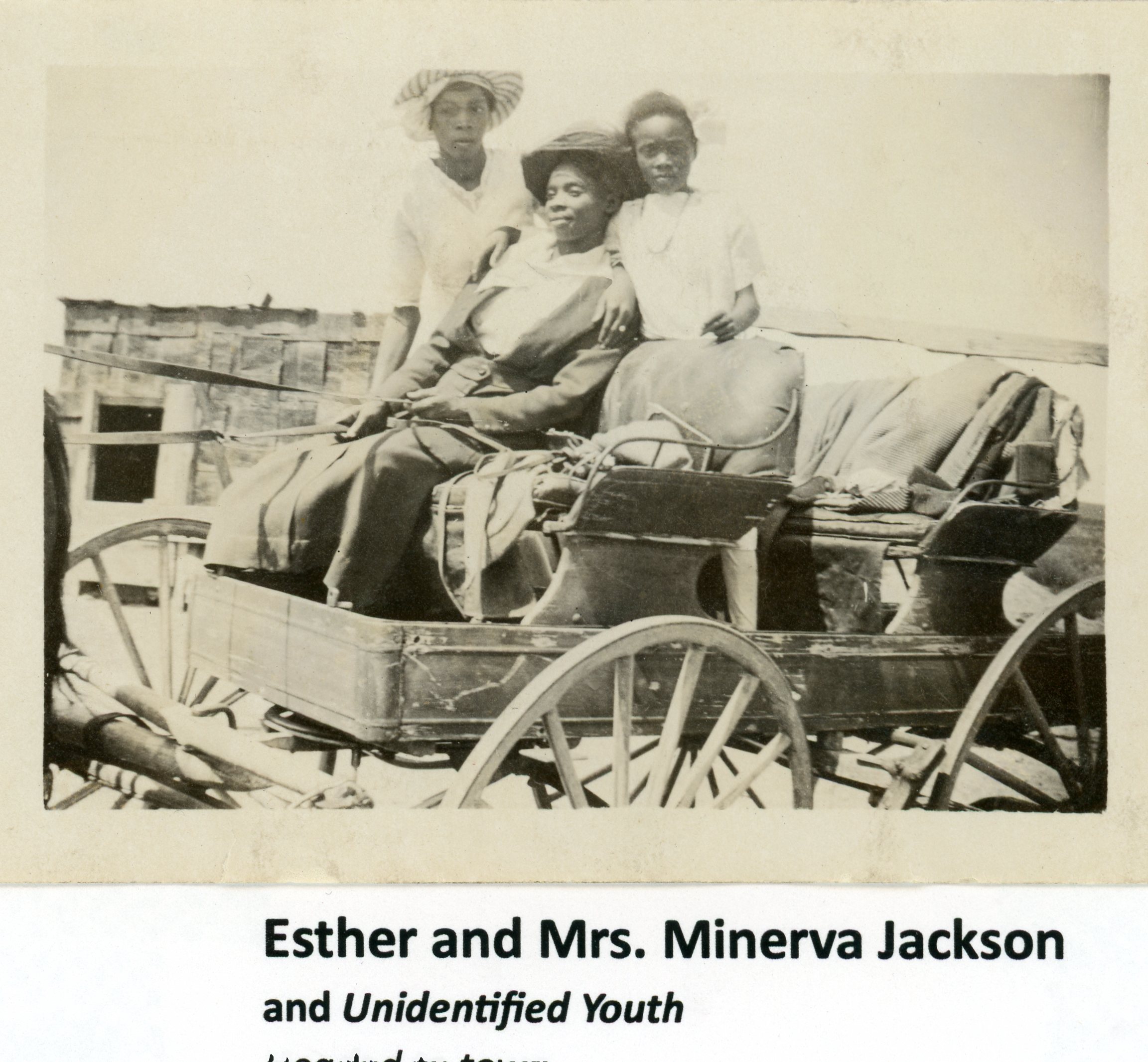
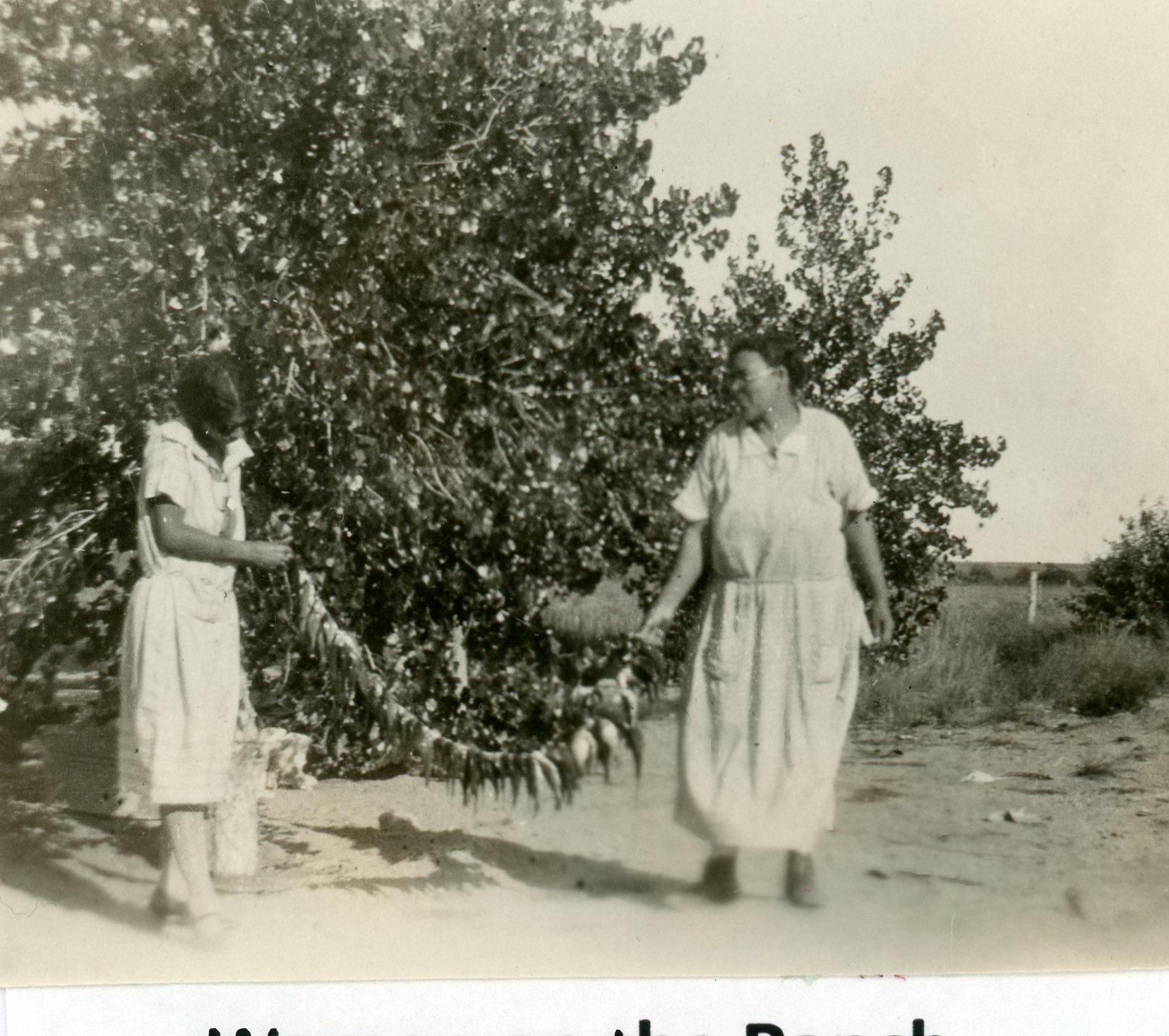
Esther Hicks and Mrs. Minerva Jackson with an unidentified youth
Carrie Lillian Hicks Wood
The eldest Hicks child. She grew up on the homestead from age seven, working the land, fishing in the pond, and helping in the garden. Her 1994 oral history interview remains the most vivid firsthand account of life at the Dearfield homestead. She married Walter Wood and is the ancestor of the Potts family.
Esther Hicks
Born after the family arrived in Colorado. Esther made history as the first Black teacher of the deaf and blind at East High School in Denver — a trailblazing achievement that reflected the family's deep commitment to education and community. She became a leader of the local NAACP youth division by 1943, was a member of Alpha Kappa Alpha Sorority, and was active in the YWCA and Working Woman's Association of Denver.
Eula Mae Hicks
Born during the family's time in Alabama. She grew up on the Colorado homestead alongside her siblings. Eula Mae died in 1932 of tuberculosis during the pandemic — a loss deeply felt by the family and marked in the records of Denver's Shorter AME Church. Her lineage continues through her daughter, Marifrances Hicks-Miller, and grandson, Russ Miller, who are part of the extended Hicks family legacy.
Sons — Crawford & Ford Hicks
Two sons, Crawford and Ford, were born after the family settled at the Dearfield homestead in Colorado. They were part of the family's homestead years and early life on the Colorado plains.
"I didn't know anything else, and as far as I was concerned, I was happy out there. I don't think any of us were unhappy."
— On life at the homestead
"The most beautiful garden in the world."
— Describing Ethel's garden
"Anytime anybody came to town . . . we had a six-room house. That was the biggest house out there and mama had nice things she brought from town."
— On hosting visitors
"We stayed longer. We had a better setup than anybody because of the water."
— On the family's longevity at Dearfield
Walter Wood & Later Generations
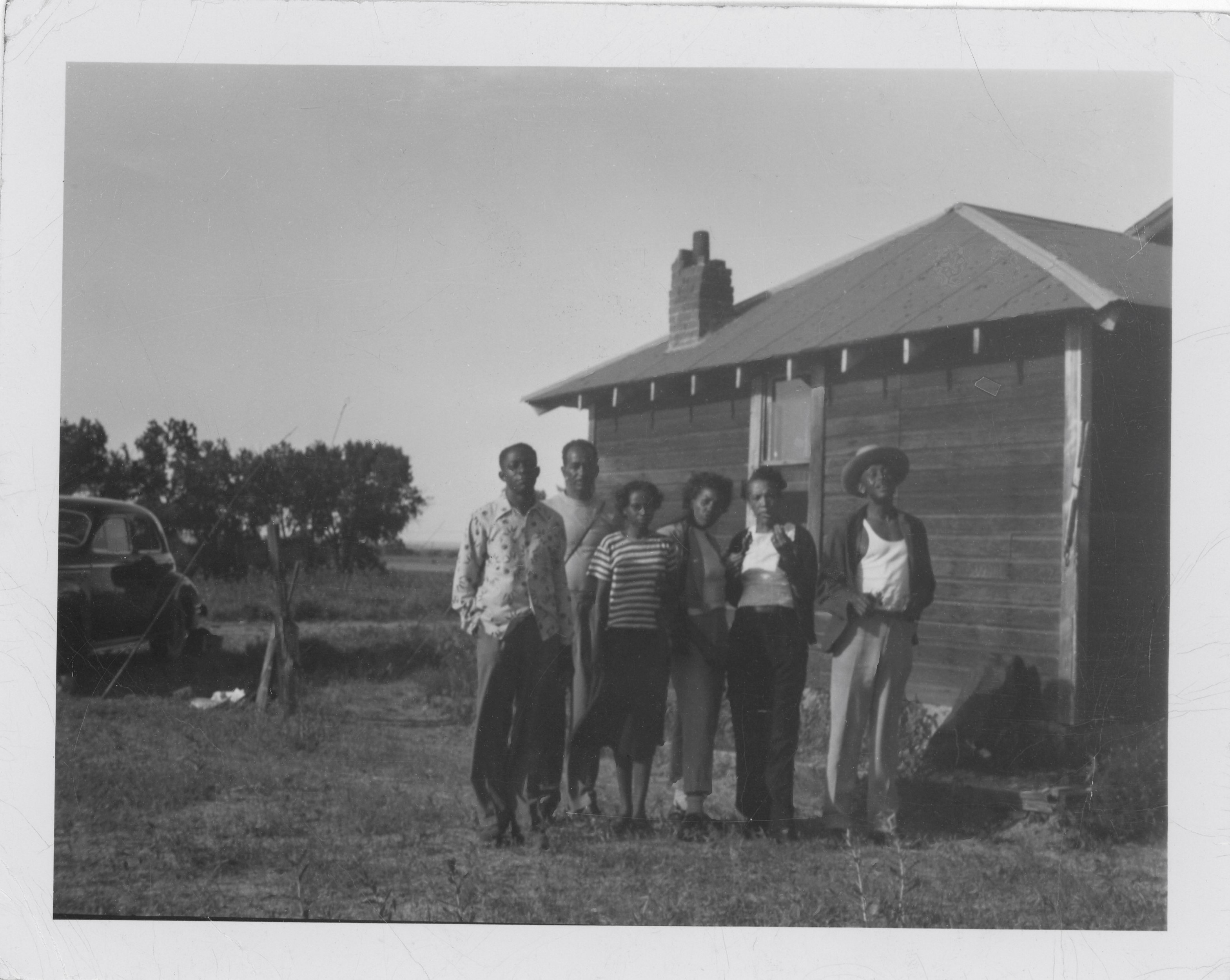
Carrie Hicks married Walter E. Wood, and together they became the homestead's most enduring stewards. Walter guided hunting and fishing excursions on the property through the 1930s. By 1941, Ethel Hicks had deeded the original 160-acre parcel to Walter. He was the last full-time resident, continuing to work the property until his death in 1973.
Carrie and Walter's daughter, Ethel Alice Wood, later married Eugene Potts, bringing forward the fourth generation: H. Anthony "Tony" Potts, L. Jeannie Potts Dixon, and David E. Potts. Their children — Stacie, Jelani, Ryan, Justin, Shane, and others — make up the fifth generation, while the sixth and youngest generation now numbers 13 children.
The Women Who Built the Legacy
The women of the Hicks family were not supporting players — they were central architects of the family's survival and success. Ethel built the garden that fed the family and generated income. She managed social networks spanning Denver and Dearfield. She held the land together after Crawford's death. The Hicks descendants explicitly credit the women of the family with "the continuity and prosperity of the property up through the present day."